Best Spirulina Supplement 2026: 3 Picks for Purity
WriterPickly Editorial
Updated 2026-10-10
Spirulina is one of the most nutrient-dense foods on the planet — but it's also one of the most prone to contamination. Spirulina is a cyanobacterium that bioaccumulates toxins from its growing water, including heavy metals (lead, mercury, arsenic, cadmium) and microcystins from cyanobacterial blooms. Phycocyanin — spirulina's primary bioactive pigment — is the compound most associated with spirulina's antioxidant and anti-inflammatory evidence; its content varies significantly between products.
Quick answer
Nutrex Pure Hawaiian Spirulina sets the sourcing benchmark: it is cultivated in Kona on fresh groundwater with added deep-ocean water, has been produced there since the 1980s (about 40 years), and the maker says it tests every batch for lead, mercury, arsenic and cadmium and records phycocyanin content. Earthrise brings about 45 years of California production (Calipatria since 1981) at a lower price, and NOW Foods Organic pairs USDA Organic certification with the lowest cost per gram for budget-conscious buyers.
📋How we compared
This comparison is desk research. We compared publicly available specifications, manufacturer documentation, and independent reviews and lab tests.
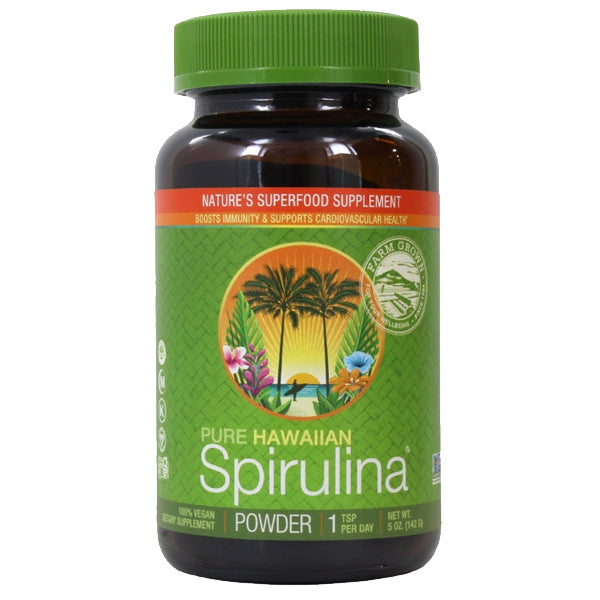
Best Sourcing and Testing: Nutrex Pure Hawaiian Spirulina is the category benchmark for source quality — cultivated in Kona, Hawaii, in fresh groundwater with added deep-ocean water, about 40 years of continuous production, and, according to the maker, per-batch testing documentation. Nutrex says it records phycocyanin content per batch and tests for all four primary heavy metals.
Top picks ↓Which one is right for you?
Related articles

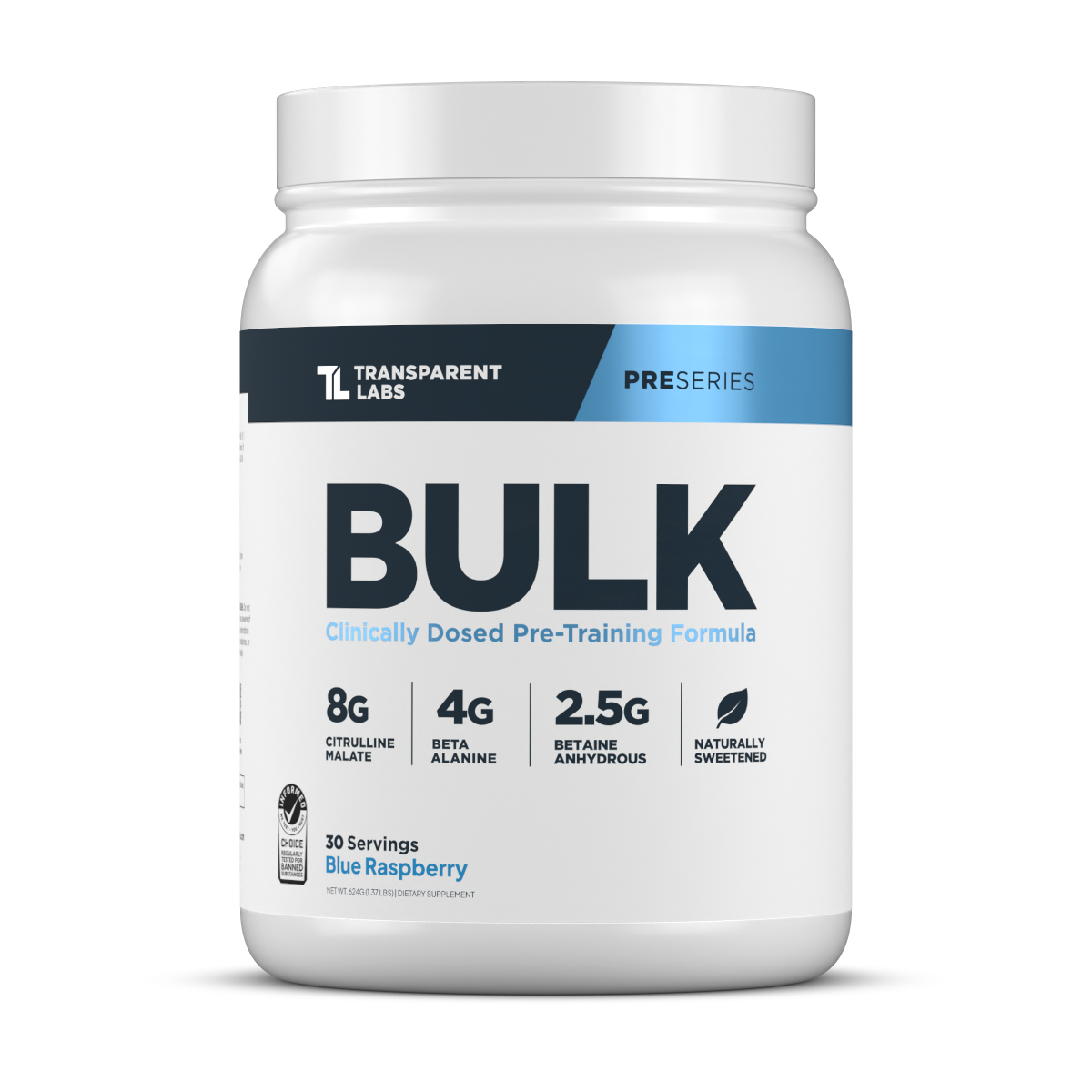

1★ Best PickABest Sourcing and TestingNutrex Pure Hawaiian Spirulina
Nutrex Pure Hawaiian Spirulina is the category benchmark for source quality — cultivated in Kona, Hawaii, in fresh groundwater with added deep-ocean water, about 40 years of continuous production, and, according to the maker, per-batch testing documentation. Nutrex says it records phycocyanin content per batch and tests for all four primary heavy metals. The price premium over mass-market spirulina is real and justified for buyers who prioritize documentation above cost.
Pros
- ✓Kona, Hawaii fresh groundwater with added deep-ocean water — controlled supply, away from agricultural runoff and municipal pollution
- ✓Phycocyanin content recorded per batch, according to the maker — the key bioactive compound with antioxidant and anti-inflammatory evidence
- ✓About 40 years of continuous production in Kona (since 1984) — a long batch-to-batch consistency record
Cons
- ✗30–40% price premium over mass-market spirulina — significant for daily use at higher doses
Score breakdown
- Source
- Kona, Hawaii — fresh groundwater with added deep ocean water (from ~2,000 feet)
- Phycocyanin
- Recorded per batch, per the manufacturer (typically 14–17% of dry weight)
- Heavy metal testing
- All four primary metals, per batch CoA available
- Certification
- Non-GMO Project Verified, various organic certs
- Serving
- 3–6 tablets (3g) or 1 tsp powder daily
- Protein per serving
- ~60% by dry weight
2ABest US Pioneer with Track RecordEarthrise Spirulina Naturals

Earthrise has been producing spirulina at its Calipatria, California farm since 1981 — about 45 years of continuous production data. Made under the FDA's mandatory CGMP rules, heavy metal tested, phycocyanin documented. US-grown with controlled water management. The price is below Hawaiian spirulina while maintaining domestic production quality controls superior to most imported alternatives. The historical production record is the product's strongest credential.
Pros
- ✓About 45 years of continuous California production (since 1981) — unmatched batch consistency data
- ✓US-grown in controlled Calipatria facility — superior water quality management vs. Asian imported spirulina
- ✓Heavy metal tested and phycocyanin documented — comprehensive quality documentation
Cons
- ✗Calipatria water source has had some historical quality questions — current testing should be verified
Score breakdown
- Source
- Calipatria, California — irrigation water recycled in a closed loop on the farm
- Phycocyanin
- Documented per batch
- Heavy metal testing
- All primary metals, tested by the manufacturer
- Certification
- Made under FDA CGMP rules (mandatory; not a certification)
- Serving
- 3–5 tablets or 1 tsp powder daily
- Protein per serving
- ~60–65% by dry weight
3B+Best Certified ValueNOW Foods Organic Spirulina

NOW Foods Organic Spirulina is USDA certified organic and Non-GMO — a sound combination for cost-conscious buyers. Available at major retailers at roughly half the price per gram of Hawaiian spirulina. Heavy metal testing published in quality documentation. For daily spirulina use where budget sustainability matters, NOW Foods is the strongest choice. It carries no sports anti-doping certification.
Pros
- ✓USDA Certified Organic + Non-GMO at an accessible price
- ✓Available at Whole Foods, iHerb, Amazon, Vitacost — the widest retail distribution in this comparison
- ✓Heavy metal testing documented in NOW Foods' quality program — reliable baseline purity assurance
Cons
- ✗Source not as specifically disclosed as Hawaiian or California producers — less granular water quality documentation
Score breakdown
- Source
- Certified organic (source country varies by lot — check label)
- Phycocyanin
- Not typically disclosed per batch
- Heavy metal testing
- NOW Foods quality testing program (internal and third-party)
- Certification
- USDA Organic, non-GMO
- Serving
- 3 tablets or 1 tsp powder daily
- Protein per serving
- ~60% by dry weight
Subscribe to our newsletter
Occasional updates and new releases — no spam.
| Product | Source | Phycocyanin | Heavy metal testing | Certification | ||
|---|---|---|---|---|---|---|
| Nutrex Pure Hawaiian Spirulina | Kona, Hawaii — fresh groundwater with added deep ocean water (from ~2,000 feet) | Recorded per batch, per the manufacturer (typically 14–17% of dry weight) | All four primary metals, per batch CoA available | Non-GMO Project Verified, various organic certs | 3–6 tablets (3g) or 1 tsp powder daily | ~60% by dry weight |
| Earthrise Spirulina Naturals | Calipatria, California — irrigation water recycled in a closed loop on the farm | Documented per batch | All primary metals, tested by the manufacturer | Made under FDA CGMP rules (mandatory; not a certification) | 3–5 tablets or 1 tsp powder daily | ~60–65% by dry weight |
| NOW Foods Organic Spirulina | Certified organic (source country varies by lot — check label) | Not typically disclosed per batch | NOW Foods quality testing program (internal and third-party) | USDA Organic, non-GMO | 3 tablets or 1 tsp powder daily | ~60% by dry weight |
Nutrex Pure Hawaiian Spirulina — Groundwater Plus Deep Ocean Water, About 40 Years, Detailed Testing
Nutrex Hawaii's Pure Hawaiian Spirulina is grown in Kona, Hawaii, on the Big Island. The ponds run mainly on fresh groundwater; deep ocean water pumped from about 2,000 feet below sea level is added to supply trace minerals and to cool the ponds, under Pacific sun. This controlled water supply is largely free of the surface agricultural runoff and municipal pollution that affects open-pond spirulina grown in regions with less controlled water sources. The Nutrex facility has been producing spirulina since 1984, making it one of the longest-continuously-operating spirulina farms globally.
According to Nutrex, its testing program covers heavy metals (lead, mercury, arsenic, cadmium), pesticides, microbial contamination, and phycocyanin content for each batch; these are the manufacturer's own claims. C-phycocyanin — the blue pigment that gives spirulina its characteristic teal color — is spirulina's primary bioactive compound, responsible for a significant portion of the antioxidant activity, anti-inflammatory effects, and immune modulation attributed to spirulina in published research. Products with higher phycocyanin content per gram deliver proportionally more of this bioactive.
The protein content is approximately 60–65% by dry weight, with all essential amino acids present. Nutrex publishes amino acid profiles per serving. The price is at the premium end of the spirulina category — roughly 30–40% higher than mass-market spirulina tablets — which reflects the premium sourcing and testing overhead. For buyers who prioritize source quality and documentation above all else, Nutrex is the category benchmark.
Earthrise Spirulina Naturals — Calipatria, California, US Pioneer, Open-Pond Controlled
Earthrise Nutritionals grew out of Proteus Corp., founded in 1976, and pioneered commercial spirulina production in the United States, starting production in Calipatria, California in 1981; it has been part of DIC since 2005. The region's water comes from the Imperial Irrigation District (Colorado River irrigation water), and Earthrise says it recycles water in a closed loop across its 108-acre farm, with testing for heavy metals, pesticides, and microbial contamination. Earthrise has been producing spirulina continuously for about 45 years — a production history that provides batch-to-batch consistency data that newer producers cannot offer.
Earthrise's quality documentation includes testing for all four primary heavy metals, microcystins, phycocyanin content, and protein percentage. Like every US dietary supplement maker, it is legally required to follow FDA current Good Manufacturing Practice (CGMP) rules; FDA inspects for this but does not certify facilities. Their spirulina is available in both powder and tablet forms, with the powder offering more flexibility for incorporation into smoothies or other food applications.
The price is accessible relative to Hawaiian spirulina while maintaining domestic production controls superior to imported spirulina from China or India, where water quality management and testing frequency are more variable. Earthrise is available at natural food retailers including Whole Foods and through major online retailers. For buyers who want US-grown, historically validated spirulina at a price point below Hawaiian premium brands, Earthrise is the most credible middle-tier option.
NOW Foods Organic Spirulina — USDA Organic, Mass-Market Accessibility
NOW Foods is one of the most trusted mass-market supplement brands and states that it manufactures under GMP standards. Their Organic Spirulina is USDA certified organic (certified by QAI) — meaning the growing water and farming practices meet organic certification requirements — and Non-GMO. It does not carry a sports anti-doping certification, so athletes subject to drug testing should choose a product that does.
The organic certification for spirulina is meaningful primarily as a proxy for clean growing practices rather than pesticide avoidance (spirulina is a cyanobacterium that doesn't require pesticides by nature). It does indicate that the growing water meets organic certification standards, which provides some confidence about the water source quality. The specific testing program for heavy metals is robust — NOW Foods publishes testing results in their quality documentation.
Availability is the strongest argument: NOW Foods Organic Spirulina is available at Whole Foods, iHerb, Amazon, Vitacost, and most natural food retailers at approximately half the price per gram of Hawaiian spirulina. For the majority of buyers who want reliable, well-tested spirulina at a sustainable daily use cost, NOW Foods delivers the strongest combination of certification, availability, and price.
Spirulina's Evidence Base: What's Proven vs. What's Extrapolated
Spirulina's human clinical evidence is stronger than many people realize but narrower than marketing suggests. The areas with the most credible evidence: lipid profile improvement (multiple meta-analyses show reductions in total cholesterol, LDL, and triglycerides at 1–8g per day with increases in HDL), blood glucose management in type 2 diabetes (several RCTs show modest fasting blood glucose reduction), and antioxidant activity (measurable increases in antioxidant enzyme levels in plasma). The anti-inflammatory effects, while mechanistically plausible through phycocyanin-mediated inhibition of prostaglandin synthesis, have less robust human clinical evidence.
The protein content is real and significant — spirulina is approximately 60–70% protein by dry weight, with all essential amino acids. At 3–5 grams per serving (typical tablet dose), the protein contribution is approximately 1.8–3.5 grams — nutritionally relevant but not a primary protein source. Most of the B12 in spirulina is pseudovitamin B12 (an inactive analog) that does not satisfy B12 requirements. People following plant-based diets should not rely on spirulina as a B12 source.
The immune modulation claims — widely promoted in spirulina marketing — are based on in vitro cell studies and animal models that have not been consistently replicated in human clinical trials. The mechanism exists at the cellular level; the clinical magnitude in otherwise healthy adults is not established. For people with specific clinical goals (lipid management, antioxidant support during high training load), spirulina has a credible evidence base. For general wellness in an already-healthy individual, the marginal benefit over a whole-food diet rich in vegetables is modest.
Frequently asked questions
Why does spirulina sometimes contain heavy metals, and how do I avoid contaminated products?▼
What is phycocyanin and why does its content matter?▼
Is spirulina a good protein source for vegans?▼
Check the details of the products in this article
- Nutrex Pure Hawaiian Spirulina$32.99Price as of 2026-10-19
- Earthrise Spirulina Naturals$41.39Price as of 2026-10-19
- NOW Foods Organic Spirulina$18.99Price as of 2026-10-19
Prices change. Check the retailer for the current price.
Comments & questions
Discussion happens on nattzy, our community forum. Sign in with Google to post — it takes a second.
View the discussion thread on nattzy ↗
Still deciding? Ask the community your own question — Post a question on nattzy ↗
Related articles

Best Magnesium Supplements 2026: 4 Picks by Bioavailability

Best Creatine Supplements 2026: 5 Ranked by Purity
Best Omega-3 Fish Oil 2026: 5 Ranked by EPA/DHA

Best Dog Joint Supplements 2026: 5 for Efficacy

Best Medicare Supplement Insurance 2026: 5 Plan G Carriers
Best Dog Anxiety Supplement 2026: 5 Calming Chews