Best Rooibos Tea 2026: Red, Green & Honeybush Compared
Rooibos is unique in the tea world: naturally caffeine-free, native only to the Cederberg region of South Africa, and processed in two distinct ways — red (fermented) and green (unfermented). This guide compares 5 options using published specifications, manufacturer documentation and independent reviews.
Quick answer
Numi's organic rooibos sets the benchmark for everyday drinking: full-leaf bags rather than dust, certified organic South African origin, and an earthy, faintly vanilla profile that brews deep amber without cloudiness, all at an accessible price. Celestial Seasonings Bengal Spice is the caffeine-free chai, built on rooibos with cinnamon, ginger, cardamom and cloves. Tea Forte's pyramid sachets let the leaves expand for a cleaner cup, wild-harvested Cederberg loose leaf is more complex and variable, and Numi honeybush is sweeter.
We assessed each product on flavor profile, sourcing transparency, value per serving, packaging integrity, and how well it performed across common use cases. Documented certifications and verified user reviews were cross-checked against marketing claims.

Numi Organic Rooibos
Best Classic Rooibos: Numi's organic rooibos is consistently among the cleaner, more honest options in the category. Full-leaf bags rather than dust, certified organic South African origin, and a flavor profile that's genuinely representative: earthy, slightly sweet, a hint of vanilla without added vanilla.
Top picks ↓| Product | Price | Link |
|---|---|---|
| $21.99Price as of 2026-09-24 | ||
| $5.49Reference price | ||
| $22.00Reference price | ||
| $12.99Reference price | ||
| $9.99Reference price |
Top picks
Related articles


Numi's organic rooibos is consistently among the cleaner, more honest options in the category. Full-leaf bags rather than dust, certified organic South African origin, and a flavor profile that's genuinely representative: earthy, slightly sweet, a hint of vanilla without added vanilla. It brews a deep amber without cloudiness. USDA organic and fair trade certified. For a daily rooibos that tastes like rooibos should — not perfumed, not artificial — this is the benchmark at an accessible price.
0
Bengal Spice is technically caffeine-free chai — rooibos base with cinnamon, ginger, cardamom, cloves, and pepper in proportions that genuinely mimic a classic chai without any tea. It's more aggressive in its spice profile than most herbal blends and holds up remarkably well with oat milk or regular milk. Naturally sweet from the rooibos without added sugar. For someone who can't have caffeine but wants the sensory experience of spiced chai, this is the best option in the category. Widely available and inexpensive.
0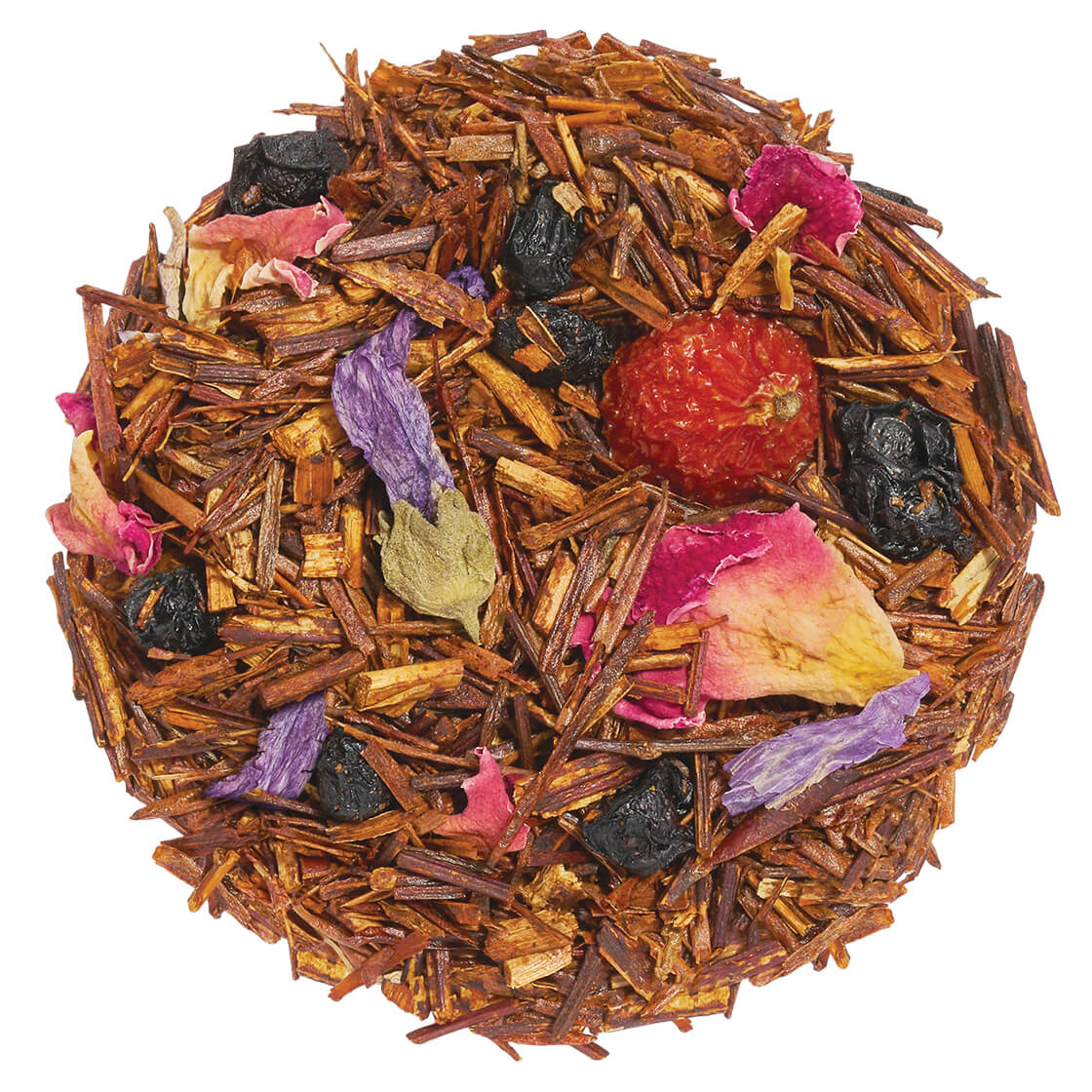
Tea Forté's pyramid sachet format allows proper expansion of rooibos leaves compared to flat bags. Their red rooibos is noticeably cleaner and more refined than mass-market options — less dusty, more whole-leaf, a more delicate earthiness. The presentation makes it suitable for gifting. The flavor is traditional rooibos — honey-like, slightly woody, earthy — but with more clarity and less harsh tannin-substitute bitterness than budget options. Best drunk as-is without milk to appreciate the cleaner flavor profile.
0Subscribe to our newsletter
Occasional updates and new releases — no spam.

Wild-harvested rooibos from the Cederberg mountains produces noticeably different flavor from cultivated varieties — a more complex earthiness, subtle mineral notes, and greater natural variation between batches. This isn't for everyone: the flavor is less smooth and predictable than commercial rooibos. For rooibos enthusiasts who want to understand the plant at its most authentic, wild-harvested loose leaf is worth experiencing. Best prepared with water at 95-100°C for 5-7 minutes. The investment in a tea strainer is worth it.
0
Honeybush (Cyclopia species) is related to rooibos but sweeter and more honey-like in character — the name is genuinely descriptive. Numi's organic honeybush is cleaner than most commercial options, with a distinct honey and apricot note that doesn't need sweetener. Caffeine-free. The sweetness is more pronounced than rooibos — better as an alternative to dessert or late-night drinking than as a morning beverage. If you've tried rooibos and found it too earthy, honeybush is worth trying before giving up on South African herbal teas entirely.
0Which one is right for you?
Best Classic Rooibos
Numi Organic Rooibos
Numi's organic rooibos is consistently among the cleaner, more honest options in the category.
Best Spiced Blend
Celestial Seasonings Bengal Spice
Bengal Spice is technically caffeine-free chai — rooibos base with cinnamon, ginger, cardamom, cloves, and pepper in proportions close to a real chai, with a more assertive spice character than most herbal blends.
Best Premium Rooibos
Tea Forté Rooibos Herbal
Tea Forté's pyramid sachet format allows proper expansion of rooibos leaves compared to flat bags.
Best Loose Leaf Rooibos
Wild Rooibos Loose Leaf
Wild-harvested rooibos from the Cederberg mountains produces noticeably different flavor from cultivated varieties — a more complex earthiness, delicate mineral notes, and natural batch-to-batch variation.
Best Honeybush
Numi Organic Honeybush
Honeybush (Cyclopia species) is related to rooibos but sweeter and more honey-like in character — the name is genuinely descriptive: it is sweeter and more honey-like than rooibos itself.
How to Choose Rooibos Tea
Red vs green, wild vs cultivated, loose leaf vs bags — here's what matters when buying rooibos.
Bottom line
For a clean, honest red rooibos, Numi Organic is the consistent choice. For a caffeine-free chai experience, Celestial Seasonings Bengal Spice delivers genuine spice complexity. If you want to taste rooibos at its most authentic, wild-harvested loose leaf reveals what the plant actually tastes like outside the commercial blending process. The biggest mistake is dismissing rooibos as earthy/boring after trying a cheap dust-grade teabag — grade quality matters significantly here.
Frequently asked questions
Is rooibos tea actually caffeine-free?▼
What's the difference between rooibos and honeybush?▼
Does rooibos tea have health benefits?▼
Can I drink rooibos tea with milk?▼
Prices change. Check the retailer for the current price.
Comments & questions
Discussion happens on nattzy, our community forum. Sign in with Google to post — it takes a second.